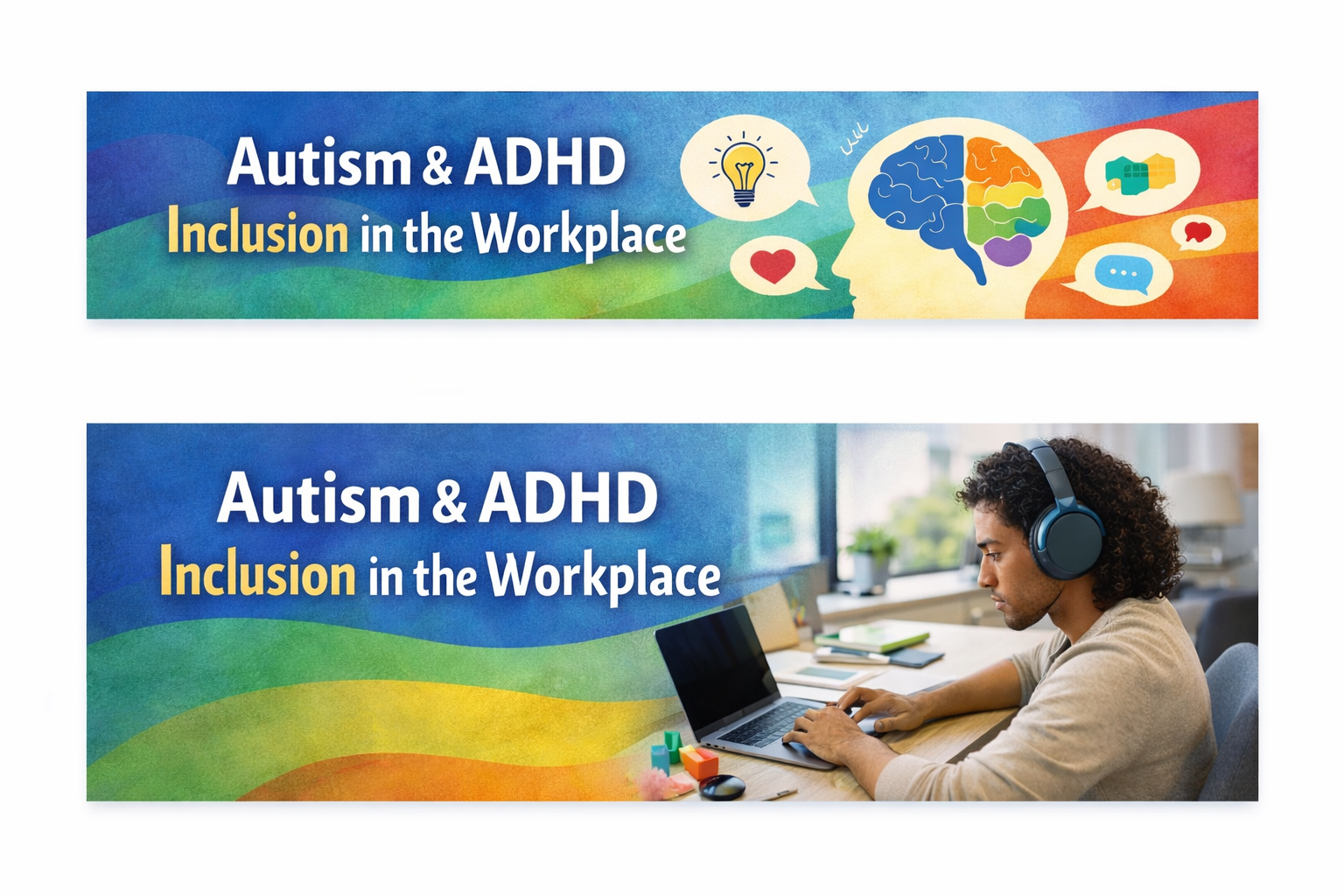
Neurodivergent employees, including many autistic people and people with ADHD, dyslexia, and other cognitive differences, often bring valuable strengths to the workplace. Even so, many continue to face barriers in hiring, communication, supervision, and retention. These barriers do not just affect job performance; they also affect self-esteem, stress, belonging, and mental health.
For many neurodivergent adults, the workplace can be both a source of purpose and a source of stress. Autistic employees and employees with ADHD may have strong creativity, problem-solving skills, attention to detail, persistence, or innovative ways of thinking, yet still struggle in environments that are not built with flexibility and accessibility in mind. Too often, the problem is not a lack of ability, but a lack of understanding and support.
The Problem
Research shows that neurodivergent workers often encounter stigma, inconsistent inclusion policies, and limited long-term support. A 2025 systematic review found significant workplace challenges related to hiring, inclusion, and job retention, while also calling for evidence-based inclusion practices and clearer policy implementation.
Autism, ADHD, and Workplace Barriers
Autism and ADHD can affect workplace experiences in different ways, but both may create challenges when employers rely on rigid expectations or one-size-fits-all communication styles. Autistic employees may experience sensory overload, difficulty with unclear social expectations, or stress when routines change without warning. Employees with ADHD may struggle with attention regulation, time management, task switching, or maintaining focus in overstimulating environments.
These challenges should not be mistaken for laziness, lack of intelligence, or poor work ethic. In many cases, they reflect an environment that has not made room for different ways of processing information, communicating, or staying organized. With the right supports, neurodivergent employees can thrive and make meaningful contributions in the workplace.
This issue matters in counseling because work strongly shapes a person’s well-being. When clients experience repeated exclusion, misunderstandings, sensory overload, or denial of reasonable accommodations, the result can be anxiety, burnout, depression, and loss of stability.
Why Change Is Needed
Federal law already offers some protection. Under the Americans with Disabilities Act, many workers with disabilities have protection from discrimination and may have a legal right to reasonable accommodations. Still, the gap between legal rights and real workplace practice remains wide. Neurodivergent employees may not know their rights, and employers may not understand how to create supportive work environments.
What Support Can Look Like
Workplace support does not always require dramatic changes. Sometimes it can be as simple as providing written instructions, allowing noise-cancelling headphones, offering flexible scheduling, reducing unnecessary sensory distractions, or giving employees clearer expectations and feedback. These kinds of accommodations can improve productivity, reduce distress, and help employees feel respected rather than misunderstood.
Inclusive support also benefits workplaces as a whole. When employers create systems that are more flexible and accessible, they often improve communication, morale, and retention for everyone, not just neurodivergent workers.
Counselors can help clients cope with workplace stress, but advocacy is also needed at the systems level so clients are not left carrying the burden of discrimination alone.
What I Am Advocating For
- Stronger enforcement of ADA workplace accommodation requirements.
- Employer training on neurodiversity-affirming hiring, supervision, and retention practices.
- Clearer workplace guidance on flexible communication, sensory supports, and individualized accommodations.
- Funding and support for programs that improve employment access and stability for neurodivergent adults.
How It Relates to Counseling
Professional counselors are in a unique position to recognize how systems affect mental health. Advocacy for neurodivergent workers reflects a commitment to wellness, dignity, accessibility, and social change. Counselors not only help clients process workplace stress, rejection, and burnout, but can also empower them to better understand their needs, communicate boundaries, and seek accommodations when appropriate.
At the same time, counselors can advocate beyond the individual level by raising awareness about the structural barriers that contribute to emotional distress. When counselors speak up about policies that reduce stigma and expand support, they help create healthier environments for current and future clients.
Creating workplaces that are more inclusive of autism and ADHD is not just an employment issue. It is a mental health issue, an accessibility issue, and a social justice issue.